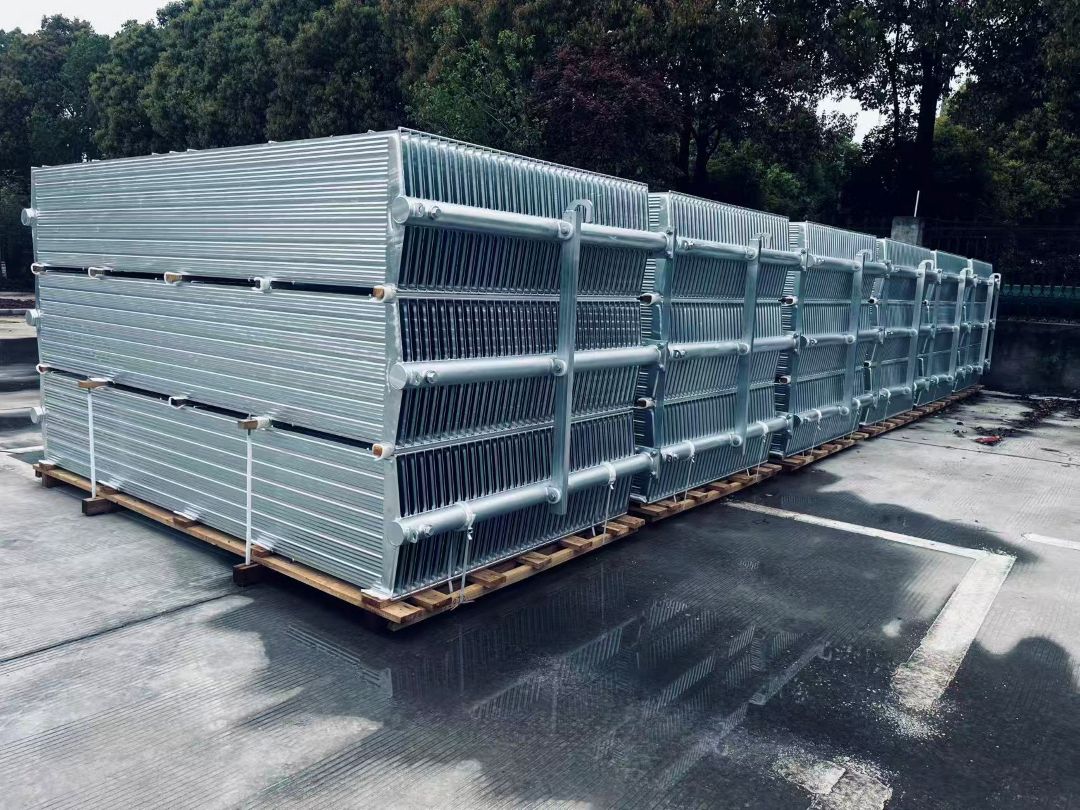
Huafeng Dual Longitudinal-Edge Sealing Radiator Solves Industry Seam Leakage Problem
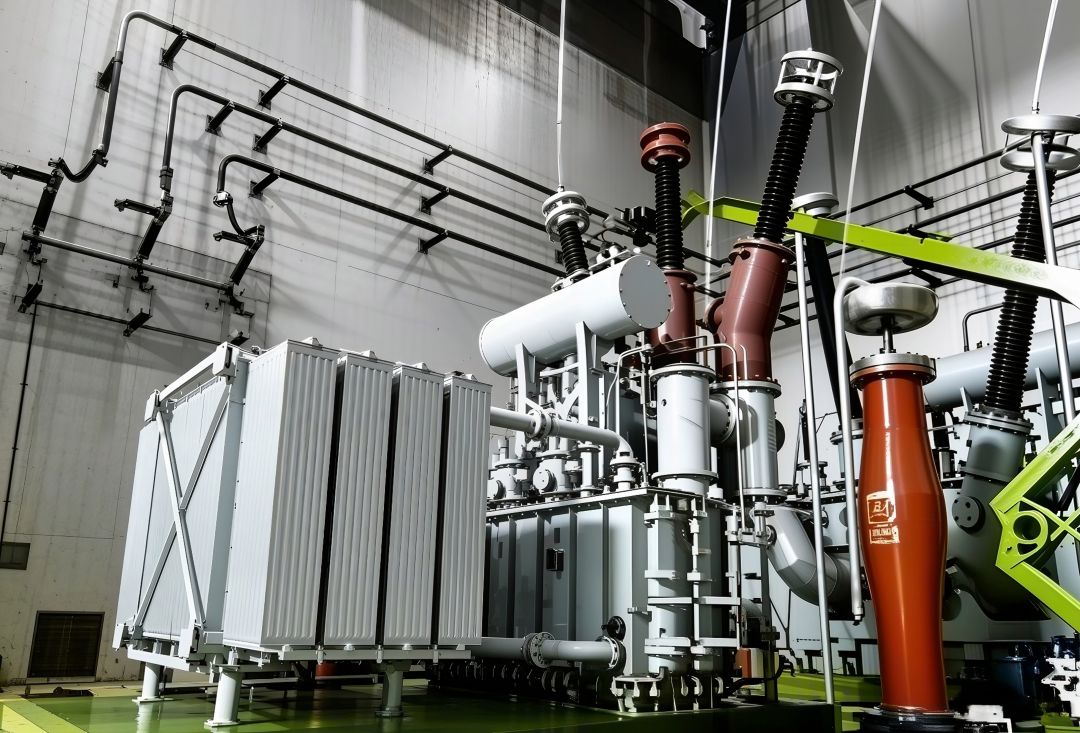
BAODING, HEBEI, CHINA, October 8, 2026 /EINPresswire.com/ -- In high-voltage power grids and industrial substations, transformer radiators provide essential convective cooling for oil-immersed transformers. However, conventional radiators often suffer from longitudinal seam leakage under thermal cycling and mechanical vibration. To address this persistent operating challenge, Hebei Huafeng Industrial Group Co., Ltd. has engineered an advanced dual longitudinal-seal transformer radiator. This design incorporates two independent sealing barriers along the panel edges, providing dependable oil containment for critical substation infrastructure.
Transformer radiators consist of pressed steel panel elements through which hot dielectric oil circulates. Traditional fabrication relies on a single rolled or welded longitudinal seam to seal the outer edges of the fluid channels. Over years of service, continuous thermal expansion, internal pressure pulses, and structural vibration place high fatigue stress on these single joints. If micro-fissures develop, dielectric oil seeps outward, leading to environmental contamination, reduced cooling capacity, and costly unscheduled maintenance.
Longitudinal Seam Leakage Is a Lifecycle Reliability Problem
For substation operators and transformer OEMs, radiator oil leakage is among the most frequent maintenance triggers. Even minor seepage can compromise insulation margins and require emergency shutdowns.
A single transformer bank often operates dozens of radiator elements mounted externally to the main tank headers. These components face ambient temperature swings from bitter winter freezes to intense summer heat. Simultaneously, transformer loading variations cause internal oil temperatures to cycle rapidly between 40°C and 100°C. This cyclic thermal stress causes the thin-walled sheet steel to expand and contract repeatedly. Over time, single rolled seams can loosen, creating microscopic leak paths along the longitudinal edges.
Field repairs on leaking radiators are difficult and expensive. Attempting to weld or patch a leaking seam on site carries significant safety risks near flammable insulating oil. In most cases, maintenance teams must drain the radiator, unbolt it from the main tank, and install a replacement unit. This process causes substation downtime and increases lifecycle operating expenses.
Huafeng’s Development Path Starts from Failure Modes Rather Than a Cosmetic Redesign
Recognizing that conventional single-seam joints present an inherent mechanical limit, Huafeng approached the problem from structural failure analysis. Rather than simply increasing paint thickness or applying surface sealants, engineering teams analyzed stress concentrations along the panel edges during thermal expansion and pressure cycling.
Huafeng established a disciplined, five-step development sequence.
Identify failure modes: Engineering teams gathered field leakage data from utility substations and offshore wind platforms to analyze seam cracking patterns.
Model alternative joints: Computer-aided stress simulations and finite element modeling evaluated alternative edge geometries under cyclic pressure loads.
Prototype dual-barrier samples: Prototype panels separated primary pressure containment from secondary redundant sealing barriers.
Pressure and tightness validation: Prototypes underwent prolonged hydrostatic and pneumatic testing to confirm seal stability under simulated thermal shocks.
Refine manufacturing routines: Production engineers optimized roll-forming tooling and automated welding parameters to ensure repeatable batch fabrication.
This systematic development sequence established an auditable engineering foundation for the new design, which Huafeng has patented as a national invention-patent product.
Two Independent Sealing Barriers Change the Failure Path
The core innovation of Huafeng’s dual longitudinal-seal design lies in its multi-stage containment geometry. By decoupling primary pressure containment from secondary redundant protection, the new design provides dual-layer security.
Primary internal seal: A continuous, precision-formed mechanical lock and seam weld contains internal oil pressure and accommodates thermal expansion cycles.
Secondary external barrier: An outer structural seam provides redundant sealing while shielding the primary joint from external atmospheric corrosion and mechanical deflection.
Stress redistribution profile: The formed edge geometry reduces stress concentration at the weld root, improving fatigue resistance under continuous operational vibration.
Enhanced panel rigidity: The dual folded seam increases the longitudinal bending stiffness of each radiator element, reducing wind-induced fluttering in outdoor switchyards.
This structural configuration ensures that even if severe operational stress stresses the initial joint, the secondary barrier prevents oil from escaping into the environment. The engineering value does not eliminate the need for proper installation, but it effectively closes off a known vulnerability.
Pressure and Tightness Testing Verify Manufacturing Integrity Under Defined Conditions
At Hebei Huafeng Industrial Group Co., Ltd., every dual longitudinal-seal transformer radiator undergoes rigorous pressure and leakage testing before release. The factory applies automated forming equipment to maintain uniform seam dimensions across the entire panel length.
Quality verification follows defined testing protocols.
Hydraulic pressure testing: Completed radiator elements undergo hydrostatic pressure testing at 0.15 MPa to 0.25 MPa to verify structural seam strength.
Pneumatic tightness testing: Radiators are submerged in inspection tanks under compressed air to detect microscopic bubbling along the seams.
Weld integrity inspection: Automated welding lines utilize precise heat input controls to ensure complete seam penetration without burn-through or material thinning.
Dimensional inspection: Seam profiles, flange alignments, and header squareness are checked to ensure smooth fitment on transformer tanks.
These quality controls verify that every fabricated unit meets international transformer manufacturing standards before shipment. Factory testing confirms manufacturing soundness under controlled conditions, while long-term service performance relies on proper coating protection and operating maintenance.
Offshore Wind Applications Put Sealing and Corrosion Controls Under Greater Pressure
The dual-seal architecture provides substantial benefits for challenging operating environments, particularly offshore wind platforms and coastal substations. Marine installations combine high humidity, heavy salt spray, and continuous wave-induced vibration.
An offshore wind transformer radiator operates on platforms located dozens of kilometers offshore, where routine maintenance is difficult and costly. If a radiator develops an oil leak offshore, service crews face complex logistics and weather delays. Huafeng has supplied transformer radiators for major offshore installations, including the Fanshi Offshore Wind Power Project in Yangjiang. The dual longitudinal-seal transformer radiator design provides the mechanical security needed to withstand continuous platform vibration. When paired with hot-dip galvanizing or specialized C5 and CX marine coatings, the dual-seal construction prevents salt-laden moisture from attacking the seam interfaces.
The Main Value Is Lower Exposure to a Specific Leakage Failure Mode
When specifying radiator equipment for high-reliability applications, engineering teams should evaluate failure modes across the expected 30-year operating life. Huafeng’s dual-seal design offers measurable advantages.
Substantially lower risk of dielectric oil seepage along radiator panel seams.
Reduced lifecycle maintenance expenditures and fewer emergency field repairs.
Greater structural resilience against transport vibration and seismic events.
Compatibility with standard transformer header connections and mounting brackets.
By eliminating a known structural failure mode through disciplined mechanical engineering, Huafeng provides transformer manufacturers and utilities with dependable heat dissipation equipment.
To request technical drawings, test reports, or engineering evaluations for the dual longitudinal-seal transformer radiator, please visit https://www.huafengjituan.com/.
Transformer radiators consist of pressed steel panel elements through which hot dielectric oil circulates. Traditional fabrication relies on a single rolled or welded longitudinal seam to seal the outer edges of the fluid channels. Over years of service, continuous thermal expansion, internal pressure pulses, and structural vibration place high fatigue stress on these single joints. If micro-fissures develop, dielectric oil seeps outward, leading to environmental contamination, reduced cooling capacity, and costly unscheduled maintenance.
Longitudinal Seam Leakage Is a Lifecycle Reliability Problem
For substation operators and transformer OEMs, radiator oil leakage is among the most frequent maintenance triggers. Even minor seepage can compromise insulation margins and require emergency shutdowns.
A single transformer bank often operates dozens of radiator elements mounted externally to the main tank headers. These components face ambient temperature swings from bitter winter freezes to intense summer heat. Simultaneously, transformer loading variations cause internal oil temperatures to cycle rapidly between 40°C and 100°C. This cyclic thermal stress causes the thin-walled sheet steel to expand and contract repeatedly. Over time, single rolled seams can loosen, creating microscopic leak paths along the longitudinal edges.
Field repairs on leaking radiators are difficult and expensive. Attempting to weld or patch a leaking seam on site carries significant safety risks near flammable insulating oil. In most cases, maintenance teams must drain the radiator, unbolt it from the main tank, and install a replacement unit. This process causes substation downtime and increases lifecycle operating expenses.
Huafeng’s Development Path Starts from Failure Modes Rather Than a Cosmetic Redesign
Recognizing that conventional single-seam joints present an inherent mechanical limit, Huafeng approached the problem from structural failure analysis. Rather than simply increasing paint thickness or applying surface sealants, engineering teams analyzed stress concentrations along the panel edges during thermal expansion and pressure cycling.
Huafeng established a disciplined, five-step development sequence.
Identify failure modes: Engineering teams gathered field leakage data from utility substations and offshore wind platforms to analyze seam cracking patterns.
Model alternative joints: Computer-aided stress simulations and finite element modeling evaluated alternative edge geometries under cyclic pressure loads.
Prototype dual-barrier samples: Prototype panels separated primary pressure containment from secondary redundant sealing barriers.
Pressure and tightness validation: Prototypes underwent prolonged hydrostatic and pneumatic testing to confirm seal stability under simulated thermal shocks.
Refine manufacturing routines: Production engineers optimized roll-forming tooling and automated welding parameters to ensure repeatable batch fabrication.
This systematic development sequence established an auditable engineering foundation for the new design, which Huafeng has patented as a national invention-patent product.
Two Independent Sealing Barriers Change the Failure Path
The core innovation of Huafeng’s dual longitudinal-seal design lies in its multi-stage containment geometry. By decoupling primary pressure containment from secondary redundant protection, the new design provides dual-layer security.
Primary internal seal: A continuous, precision-formed mechanical lock and seam weld contains internal oil pressure and accommodates thermal expansion cycles.
Secondary external barrier: An outer structural seam provides redundant sealing while shielding the primary joint from external atmospheric corrosion and mechanical deflection.
Stress redistribution profile: The formed edge geometry reduces stress concentration at the weld root, improving fatigue resistance under continuous operational vibration.
Enhanced panel rigidity: The dual folded seam increases the longitudinal bending stiffness of each radiator element, reducing wind-induced fluttering in outdoor switchyards.
This structural configuration ensures that even if severe operational stress stresses the initial joint, the secondary barrier prevents oil from escaping into the environment. The engineering value does not eliminate the need for proper installation, but it effectively closes off a known vulnerability.
Pressure and Tightness Testing Verify Manufacturing Integrity Under Defined Conditions
At Hebei Huafeng Industrial Group Co., Ltd., every dual longitudinal-seal transformer radiator undergoes rigorous pressure and leakage testing before release. The factory applies automated forming equipment to maintain uniform seam dimensions across the entire panel length.
Quality verification follows defined testing protocols.
Hydraulic pressure testing: Completed radiator elements undergo hydrostatic pressure testing at 0.15 MPa to 0.25 MPa to verify structural seam strength.
Pneumatic tightness testing: Radiators are submerged in inspection tanks under compressed air to detect microscopic bubbling along the seams.
Weld integrity inspection: Automated welding lines utilize precise heat input controls to ensure complete seam penetration without burn-through or material thinning.
Dimensional inspection: Seam profiles, flange alignments, and header squareness are checked to ensure smooth fitment on transformer tanks.
These quality controls verify that every fabricated unit meets international transformer manufacturing standards before shipment. Factory testing confirms manufacturing soundness under controlled conditions, while long-term service performance relies on proper coating protection and operating maintenance.
Offshore Wind Applications Put Sealing and Corrosion Controls Under Greater Pressure
The dual-seal architecture provides substantial benefits for challenging operating environments, particularly offshore wind platforms and coastal substations. Marine installations combine high humidity, heavy salt spray, and continuous wave-induced vibration.
An offshore wind transformer radiator operates on platforms located dozens of kilometers offshore, where routine maintenance is difficult and costly. If a radiator develops an oil leak offshore, service crews face complex logistics and weather delays. Huafeng has supplied transformer radiators for major offshore installations, including the Fanshi Offshore Wind Power Project in Yangjiang. The dual longitudinal-seal transformer radiator design provides the mechanical security needed to withstand continuous platform vibration. When paired with hot-dip galvanizing or specialized C5 and CX marine coatings, the dual-seal construction prevents salt-laden moisture from attacking the seam interfaces.
The Main Value Is Lower Exposure to a Specific Leakage Failure Mode
When specifying radiator equipment for high-reliability applications, engineering teams should evaluate failure modes across the expected 30-year operating life. Huafeng’s dual-seal design offers measurable advantages.
Substantially lower risk of dielectric oil seepage along radiator panel seams.
Reduced lifecycle maintenance expenditures and fewer emergency field repairs.
Greater structural resilience against transport vibration and seismic events.
Compatibility with standard transformer header connections and mounting brackets.
By eliminating a known structural failure mode through disciplined mechanical engineering, Huafeng provides transformer manufacturers and utilities with dependable heat dissipation equipment.
To request technical drawings, test reports, or engineering evaluations for the dual longitudinal-seal transformer radiator, please visit https://www.huafengjituan.com/.
Hebei Huafeng Industrial Group Co., Ltd.
HUAFENG
Legal Disclaimer:
EIN Presswire provides this news content "as is" without warranty of any kind. We do not accept any responsibility or liability for the accuracy, content, images, videos, licenses, completeness, legality, or reliability of the information contained in this article. If you have any complaints or copyright issues related to this article, kindly contact the author above.